

What Foods Kill Mouth Bacteria?
People often ask whether there are foods that kill mouth bacteria, especially after dealing with a cavity, bad breath, or gums that have started bleeding more than usual. If certain foods feed the bacteria that cause problems, it makes sense to wonder whether other foods can help fight back.
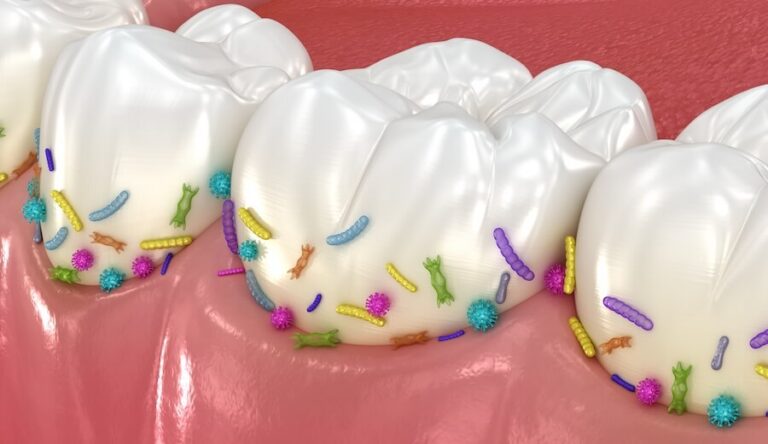
The answer is a little less dramatic than “eat this and get rid of bacteria.” Your mouth is supposed to have bacteria in it. In fact, it has a whole community of bacteria, and not all of it is harmful. The issue is when cavity-causing bacteria get frequent access to sugar, stay on the teeth long enough, and create acids that wear away enamel.
So, no food works like a disinfectant for your mouth. Still, some foods and drinks can make it harder for harmful bacteria to thrive. Others can help with saliva flow, rinse away food particles, or reduce how often your teeth sit in a sugary, acidic environment.
At Brighter Day Dental in Katy, TX, Dr. Edward Kim helps patients look at the small daily habits that affect teeth and gums. Food is only one part of that picture, but it can make a difference when it is paired with brushing, flossing, fluoride toothpaste, and regular dental visits.
The Goal Is Not a Bacteria-Free Mouth
It would be nice if there were one food that cleared out all the harmful bacteria and solved every dental problem. Unfortunately, mouths do not work that way.
Bacteria naturally live on the tongue, gums, cheeks, and teeth. Some are harmless. Others become more of a problem when they feed on sugars and carbohydrates left behind after meals and snacks.
When those bacteria use sugar, they produce acids. Those acids can weaken enamel and raise the risk of cavities, especially when the mouth is exposed over and over through the day. That is why the pattern matters so much. Sipping a sweet drink for hours or grazing on snacks all afternoon gives bacteria more chances to keep making acid.
Foods that support oral health usually do one of a few things. They may help increase saliva, avoid feeding cavity-causing bacteria as much, or give teeth a break from constant sugar and acid exposure.
What helps most is making the mouth less comfortable for the bacteria that cause cavities and gum disease. You are not trying to sterilize the mouth. You are trying to avoid giving the same harmful bacteria easy fuel all day long.
Crunchy Vegetables Can Help Clear the Mouth After Meals
Crunchy vegetables do not scrub teeth clean in the same way a toothbrush does. Still, they can be a helpful choice after a meal or snack.
Celery, carrots, cucumbers, bell peppers, and other crisp vegetables require chewing. That chewing can encourage saliva flow, which helps wash away food particles and dilute acids in the mouth.
For example, if lunch includes a sandwich, chips, and a sweet drink, finishing with a few crunchy vegetables and water is a different ending than finishing with a cookie and soda. The vegetables do not cancel out everything else, but they are less likely to leave a sticky sugary film behind.
They can also be useful when you need a snack between meals. A bag of chips, crackers, or gummy candy may cling to teeth and break down into sugars. Crunchy vegetables are less likely to linger in the same way.
That does not mean you need to spend all day eating raw carrots. It simply means the snack you choose can change what stays on your teeth afterward.
Cheese Can Be a Useful Finish to a Meal
Cheese is one of those foods that can be helpful for teeth in a pretty practical way. It does not kill bacteria, but it may help support a healthier mouth after eating.
Chewing cheese encourages saliva, and saliva helps rinse away leftover food and acids. Cheese also contains calcium and phosphate, which are minerals connected to tooth enamel.
This can be especially helpful after a meal that includes something acidic or sweet. Maybe you had pasta with tomato sauce, fruit, or a sweetened coffee. Having cheese as part of the meal or afterward may be a better choice than following it with dessert or another sugary drink.
It does not have to be fancy. A piece of cheese with lunch, a cheese stick after school, or cheese added to a snack plate can fit easily into a normal day.
Of course, cheese is not right for everyone. Some people avoid dairy, have dietary restrictions, or simply do not like it. In those cases, there are other ways to support saliva and reduce sugar exposure.
Plain Yogurt May Be Better Than Sweetened Yogurt
Yogurt can be a good option, especially when it is plain or low in added sugar. It contains calcium and protein, and it is usually less sticky than many snack foods marketed as “healthy.”
The problem is that flavored yogurt can carry a lot of added sugar. Fruit-on-the-bottom cups, sweetened drinkable yogurts, and dessert-style yogurt products may be more like a sweet snack than a tooth-friendly choice.
That does not mean you need to avoid yogurt completely. It just helps to look at what you are actually buying. Plain Greek yogurt with berries, nuts, or a small amount of fruit can be a more balanced option than a highly sweetened version.
The same idea applies to smoothies. They can be convenient, but when they are full of juice, sweetened yogurt, honey, or added syrups, the mouth may be getting a long exposure to sugar.
If you enjoy yogurt, keeping it simple is usually better for your teeth than treating it like dessert.
Green Tea May Be a Better Swap Than Sweet Drinks
Green tea is often mentioned in conversations about mouth bacteria because it contains compounds that may help limit bacterial activity. More practically, though, unsweetened tea is simply a better everyday choice than soda, sweet tea, sports drinks, or frequent sweetened coffee.
The biggest benefit comes from what you are not drinking.
When you swap a sugary drink for plain green tea, black tea, or water, you are giving bacteria less sugar to use. That means fewer chances for acid production during the day.
Still, tea can stain teeth, especially darker teas. That is not a reason to avoid it, but it is worth knowing if you are already concerned about discoloration. Drinking water afterward can help rinse the mouth, and regular cleanings can remove surface stains.
The important word here is unsweetened. Green tea with a lot of sugar or syrup does not work the same way.
Water Helps More Than People Give It Credit For
Water does not kill mouth bacteria. However, it may be one of the most useful things you can drink for your teeth.
After a meal, water helps rinse away food particles. After coffee, sports drinks, juice, or soda, it can help clear some of the sugar and acid from the mouth. If your mouth feels dry, water can also help with that uncomfortable sticky feeling that makes everything seem to linger longer.
This is especially useful for people who sip flavored drinks throughout the day. A sweet coffee in the morning, sparkling water at lunch, an electrolyte drink during a workout, and a soda in the afternoon can add up to a lot of acid exposure without feeling like you are eating much sugar.
Water does not have to replace every drink you enjoy, but it is a helpful follow-up after sweeter or more acidic ones. Having water nearby and taking a few sips after those drinks gives your teeth more of a break.
For many people, that is one of the easiest changes to make without changing the whole way they eat.
Sugar-Free Gum Can Help When Brushing Is Not an Option
Sugar-free gum is not technically a food, but it fits into this conversation because it can be useful after meals.
Chewing gum stimulates saliva. Saliva helps wash food away, dilute acids, and keep the mouth from staying dry. Gum with xylitol may be especially useful because xylitol does not feed cavity-causing bacteria the same way regular sugar does.
This can be helpful when you are away from home, at work, driving kids between activities, or finishing a meal where brushing is not realistic.
For example, if you have lunch out and cannot brush afterward, water and a piece of sugar-free gum may be a better follow-up than a mint made with sugar. It is not a replacement for brushing later, but it is a practical in-between step.
Avoid gum if you have jaw pain, TMJ issues, or a dentist has told you to limit chewing. For everyone else, it can be an easy thing to keep in a bag, desk drawer, or car.
Foods That Give Cavity-Causing Bacteria More to Work With
It is not only candy that can contribute to cavities. Many foods that seem harmless can stay on teeth longer than expected.
Crackers, pretzels, chips, white bread, sweet cereal, granola bars, dried fruit, and sticky snacks can all break down into sugars or cling to the grooves of teeth. The issue is not that you can never eat them. It is how often they show up, how long they stay in the mouth, and whether you are giving your teeth a chance to recover afterward.
Frequent snacking can be harder on teeth than eating the same food as part of a meal. Every time you eat sugar or carbohydrates, bacteria can produce acid. If that keeps happening all day, your teeth spend less time in a calmer environment.
This is why changing the pattern can be more useful than trying to eliminate every food you enjoy. Eat the snack, then drink water. Have sweets with a meal instead of nibbling on them all afternoon. Brush and floss well at night.
That approach leaves room for normal snacks and meals while cutting down on the all-day exposure that is harder on teeth.
Your Tongue and Gumline Still Need Regular Cleaning
Food choices can support oral health, but they cannot remove plaque that has already formed on teeth.
Plaque is a sticky layer of bacteria that builds up along the gumline and between teeth. Water will not brush it away. Crunchy vegetables will not remove it from around a crown or between crowded teeth. Mouthwash can help with bacteria, but it cannot take the place of physically cleaning those surfaces.
That is why brushing twice a day with fluoride toothpaste and cleaning between teeth once a day are still the basics. A soft toothbrush aimed along the gumline and floss used carefully around each tooth do more for cavity prevention than any one “healthy” food.
Food choices can help, but plaque still needs to be removed with brushing along the gumline and daily cleaning between teeth.
If your gums are bleeding regularly, your breath stays unpleasant even with brushing, or you keep getting cavities despite trying to eat well, there may be more going on than your snack choices. Dry mouth, crowded teeth, old fillings, gum disease, or frequent acid exposure can all affect what happens in your mouth.
What Foods Kill Mouth Bacteria in Katy, TX?
There is no single food that kills all mouth bacteria, and that is not really the goal. The better approach is choosing foods and drinks that do not keep feeding cavity-causing bacteria throughout the day.
Crunchy vegetables, cheese, plain yogurt, unsweetened tea, water, and sugar-free gum can all support a healthier mouth in different ways. At the same time, limiting frequent sugary snacks and sipping sweet drinks less often gives your teeth more time away from acid.
At Brighter Day Dental in Katy, TX, Dr. Edward Kim can help you look at what may be contributing to cavities, gum bleeding, dry mouth, or bad breath. Call to schedule a visit if you have been dealing with repeated dental problems and want practical guidance on protecting your teeth at home.